
NASIT 2026: Why Thyroid Nodule Ablation is Here to Stay
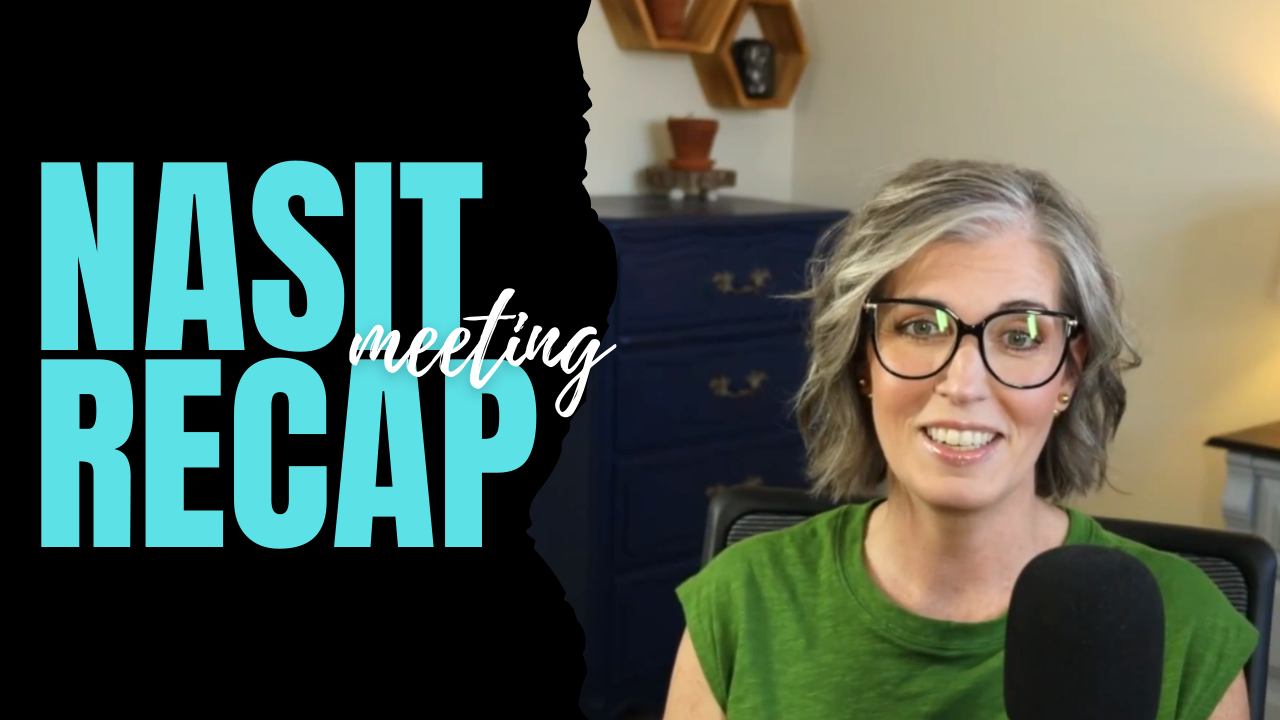
Thyroid Nodule Ablation: Why This Paradigm Shift is Here to Stay (NASIT 2026)
In 2019, when it became apparent that I had to do something about my thyroid nodules, the medical landscape looked very different than it does today. Finding a doctor to perform Radiofrequency Ablation (RFA) in the United States felt like searching for a needle in a haystack. These life-changing, non-surgical technologies simply weren't accessible.
Fast forward to March 2026.
I recently returned from Portland, Oregon, where I attended the NASIT (North American Society of Interventional Thyroidology) conference. Walking into that main hall, the energy was electric. Over 150 physicians—surgeons, endocrinologists, and interventional radiologists—were gathered in one place. Their shared focus? Non-surgical thyroid preservation.
To say we are witnessing a paradigm shift would be an understatement.
The Power of the Patient Voice
One of the most profound moments of the conference happened before the presentations even began. As I walked around introducing myself, I quickly realized something incredible: they already knew who we were.
Doctors from across the globe knew about the Save Your Thyroid community. They knew about our resources, our mission, and most importantly, they knew about you. They spoke about patients bringing up our community in the exam room and asking informed, pointed questions about their options.
Patient demand is one of the leading drivers for physicians to adopt new technologies. You aren't just sitting back and accepting the first treatment plan handed to you. You are speaking up. And the medical community is listening.
Navigating the Debates: Parathyroids and Cancers
The conference wasn't just a celebration; it was an environment for rigorous medical debate. Through panel discussions and live audience surveys, doctors tackled some of the most controversial topics in the field.
One major debate centered around using RFA for parathyroid adenomas. Because the parathyroid glands sit so close to the recurrent laryngeal nerve—the nerve that controls your voice and swallowing—treating them with ablation requires immense technical precision. The physician audience remained split on whether the risks outweighed the benefits, proving that these treatments still require the hand of a highly seasoned expert.
Another highly anticipated topic was the treatment of small papillary thyroid cancers (T1b cancers, measuring between one and two centimeters).
While treating micro-cancers (under 1cm) is becoming more accepted, crossing that one-centimeter threshold is still a gray area for many doctors. The longer a tumor grows, the higher the risk of spread. The audience was split 50/50 on treating these larger cancers non-surgically. However, progress is undeniably happening, highlighted by an ongoing clinical trial at MD Anderson and Sarasota Memorial Hospital treating papillary thyroid cancers with nPulse ablation.
Visualizing the Future with TAE
For patients with massive goiters—especially those causing airway compression or overproducing hormones—ablation isn't always feasible. That’s where Thyroid Artery Embolization (TAE) comes in.
One of the coolest moments at NASIT was watching a mechanical demonstration of how TAE actually works. Using a physical model of the thyroid and its surrounding vessels, presenters demonstrated how an embolic agent (tiny particles) is injected to cut off blood supply to the oversized gland. Crucially, they showed how their specific catheter prevents non-target embolization—ensuring the particles only go exactly where they are needed. For patients dealing with large, symptomatic goiters, this overseas staple is finally making waves here in the U.S.
The Long-Awaited nPulse Durability Data
If you have been following the emergence of nPulse technology, you know the biggest question on everyone's mind: What happens a year or two later? Does the nodule grow back?
At NASIT, we finally got a glimpse at the data we’ve been waiting for. Dr. Stefano Spezia traveled from Italy to present his findings tracking patients 15 to 22 months post-procedure. The results were astounding. Across the board, patients saw an average volume reduction of 74%, and 100% of the participants reported being completely happy with their outcomes.
It is a massive victory for patients looking for non-thermal, durable alternatives.
Here to Stay
Between the lasting success of RFA and microwave ablation, the expansion of TAE, and the promising new data for nPulse, the writing is on the wall.
These procedures are no longer just "alternatives." They are rapidly moving toward becoming first-line treatments. Surgery will always have its place, but the days of it being the only option are officially over.
If you are preparing for an upcoming appointment, take this knowledge with you. Check out our newly updated Physician Directory (which now includes over 200 names, including a new addition right here in my home state of Alabama!). Bring the podcast. Bring the research. Save your thyroid!
Keep speaking up. You are changing the future of thyroid care.
For more details on everything discussed at NASIT, including links to the TAE demonstration video and the nPulse clinical trial, check out the full recap episode.

From Thyroidectomy to TAE: How One Woman Avoided Surgery and Kept Her Thyroid


